Greater efficiency, control and operational continuity for warehouses, buildings and facilities.
Safety & Security
Manage the entire emergency lifecycle, protect people and critical assets, and ensure operational continuity.
Reliability and control to build a secure and resilient IT environment.
Turn data into strategic decisions and measurable business outcomes.
Business Digitalization & Automation
Digitize and automate business processes to boost productivity, efficiency and agility.
-
Warehouse Management
More efficient, integrated and controlled warehouses, from workflow management to automation.
-
Building Management
Safer, more connected and efficient buildings and facilities through centralized monitoring and control.
-
Public Safety & Emergency Services
Turn every emergency call into an effective response, coordinating people, information and resources to deliver help where and when it is needed.
-
Critical Infrastructure Security
Safer critical infrastructure through centralized security monitoring, integrated event management and coordinated incident response.
-
Observability
End-to-end visibility into IT systems to anticipate anomalies and reduce resolution times.
-
Service Orchestration
Automated and orchestrated IT processes and services to ensure efficiency and business continuity.
-
IT Service Management
Improve IT service quality and user experience, from request management to problem resolution.
-
IT Governance
Greater control over IT investments, risks and performance for better-informed decisions.
-
Managed Services
Continuously monitored and managed IT systems to ensure service reliability and availability.
-
Cybersecurity
Protect data, systems and infrastructure to reduce risks and strengthen digital resilience.
-
Data Value
Unlock the value of enterprise data with reliable, accessible, AI-ready information.
-
Intelligent Business Process Automation
End-to-end process automation using AI and RPA to reduce manual tasks, processing times and errors.
-
Software Development
Custom software, integrated applications and modernized systems tailored to business needs.
About Us
The history, values, people and expertise that make Beta 80 what it is today.
Life at Beta 80
People, learning and company life: discover what it means to work at Beta 80.
Beta 80 and Young People
Schools, universities and training pathways that help young people enter the world of work.
Careers
Open positions and career opportunities to become part of Beta 80.
-
Vision & Mission
Our identity, what drives us every day and the goals we strive to achieve.
-
Our Values
Exceed IT: curiosity, collaboration and the drive to push beyond our limits every day.
-
Fondazione Beta 80
Preserving company values and ensuring long-term continuity, stability and social impact.
-
Our Business
40 years of experience, specialist expertise and solutions for digital transformation.
-
Leadership
The people leading Beta 80, sharing its vision, responsibilities and goals.
-
Training
Continuous learning, knowledge sharing and skills development to grow together.
-
Workspaces
Flexible, collaborative environments designed to foster well-being, connections and new ways of working.
-
Events
Meetings, initiatives and opportunities to share experiences, knowledge and company life.
-
Alumni - BetAgain
A community to keep connections alive, share expertise and create new opportunities.
-
Beta 80 and Local Schools
Workshops, career guidance and company-based learning to bring students closer to the world of work.
-
The “Carlo Acutis” Technical Technological Institute
An educational project combining technology and humanities, schools and businesses.
-
Participation in ITS and IFTS Foundations
Technical training, career guidance and internships to develop skills companies need.
-
The partnership with Universities
Partnerships with universities offering internships, industry insights and opportunities for growth.
-
Academies
Job-oriented training programs to develop technical and professional skills.
-
Work with Us
Explore open positions and opportunities to build your career at Beta 80.
Critical Infrastructure Security
Talk to Beta 80 experts about the security model best suited to your organization.
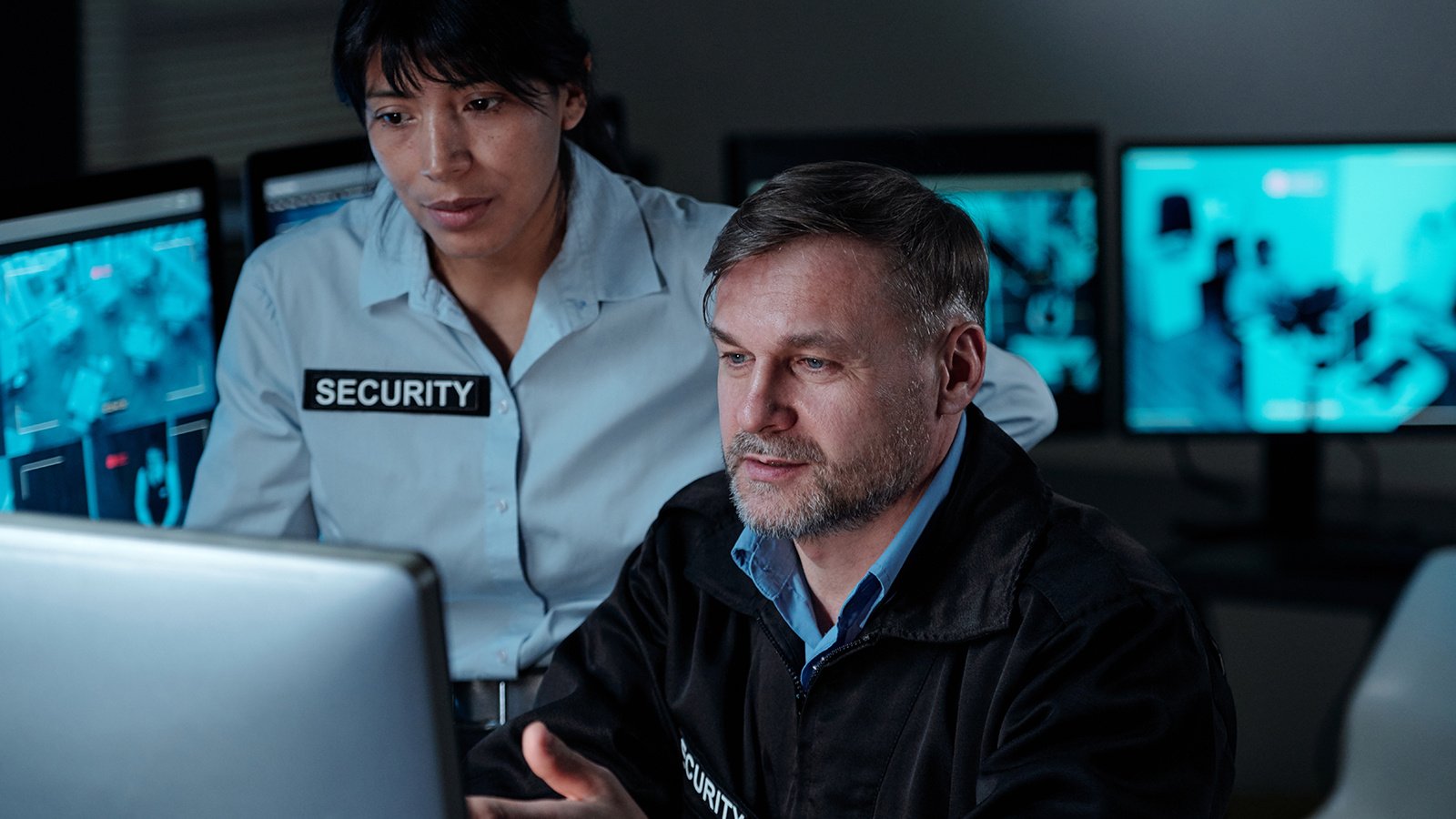
Protecting critical infrastructure and ensuring end-to-end security
Protecting critical infrastructure is essential to ensuring the continuity of the services on which people, businesses and communities depend. Energy, water, transport, healthcare, digital infrastructure and other essential services rely on complex, distributed and highly interconnected ecosystems, in which physical components, digital systems, plant and equipment, people and operational processes all contribute to service delivery.
This interdependence fundamentally changes the very concept of security. Unauthorised access, equipment failure, an anomaly detected by a sensor, a cyber event or a communications outage cannot be assessed solely by its nature or by the asset directly affected. These events must also be considered in terms of the effects they can have across the infrastructure and, above all, on the availability of the essential service.
Critical Infrastructure Security must therefore extend beyond perimeter protection and the monitoring of individual systems. It requires a model that can prevent and detect events, correlate their signals, understand their potential impact, support decisions and coordinate the response until normal operating conditions are restored. From this perspective, critical infrastructure protection and resilience become parts of the same process. The aim is to overcome fragmentation across systems and processes, turning security into a structured operational capability that can be managed and verified.
Protecting people, assets and infrastructure requires visibility, control and the ability to respond. Our End-to-End Security Management model integrates centralised monitoring, situational awareness and incident management to anticipate risks and coordinate timely, effective responses.
Discover our Case Studies e White Papers
-
White Paper
How to improve Incident Management: a practical guide for security managers
Distinguishing events from incidents is fundamental to effective security management. Discover strategies and best practices for optimising Event Management, automating procedures and ensuring timely responses.
-
White Paper

Access control systems: the key to safer universities
Universities are among the most complex areas to manage, due to the multiplicity of people who visit university facilities daily (students, lecturers, administrative staff, suppliers and visitors), the need to prevent unauthorised persons from entering and the need to prevent incidents, such as theft, that could cause problems for the entire organisation.
-
White Paper
Incident Command System: how to choose the right one?
Power plants, hospitals, ports and transport networks need a coordinated response to critical events. Discover how to choose an Incident Command System that fits your organisation’s needs and supports operational continuity across complex environments.
-
Case Study
From manual monitoring to intelligent cold chain control. The digital transformation of an Italian hospital
A large Italian hospital was managing pharmaceutical refrigerators, cold rooms and temperature-controlled areas through fragmented systems, with limited real-time visibility and difficulty addressing anomalies promptly.
The challenges of protecting critical infrastructure
Critical infrastructure security has specific characteristics. Environments often span multiple sites, include technologies from different generations and manufacturers, and must maintain high levels of availability. Physical security systems, access control, video surveillance, sensors, plant and equipment, and digital applications generate large volumes of information that must be interpreted quickly within a clearly defined operational context.
Complexity, however, does not depend solely on the number of technologies in place. It depends above all on the organisation’s ability to recognise a significant situation promptly and turn information into a coherent response.
Integrare sistemi eterogenei senza perdere il contesto operativo.
Critical infrastructure generally includes numerous specialised subsystems:
-
video surveillance
-
intrusion detection and access control
-
fire detection and environmental sensors
-
building management systems
-
telephone and communications systems
-
electrical equipment
Each system may be effective within its own domain while contributing to a fragmented view of security. A single alarm may have limited significance. A sequence of events, or several events occurring at the same time, may instead reveal a situation that calls for immediate assessment. The priority is therefore to create a unified operational view in which information from different sources can be correlated and contextualised in relation to sites, assets and operating conditions.
Addressing physical, technological and cyber risks together.
As infrastructure becomes increasingly digital, a rigid separation between physical security, systems security and business continuity becomes less effective.
Digital systems control physical components; field devices are connected to networks; credentials and identities determine access to locations and resources; and events originating in the cyber domain can affect infrastructure operations. Similarly, a physical security breach can affect the availability or integrity of technological systems.
For this reason, critical infrastructure protection requires an all-hazards approach: assessing different categories of threat in terms of their potential consequences for people, assets, processes and service continuity, rather than managing them separately. (at this point, we could cite the CER Directive and discuss the implications of the NIS 2 Directive.
From Asset Protection to Incident Management: which security model is right for your organisation?
Every infrastructure environment has specific security needs.
Systems that are not integrated, fragmented information and inefficient procedures can slow down decisions and compromise the ability to respond. Identifying these issues is the first step towards resolving them.
Talk to Beta 80’s experts to assess your needs, identify areas for improvement and evaluate the most effective solutions for optimising Incident Management and ensuring Business Continuity.

Managing the entire Incident Lifecycle
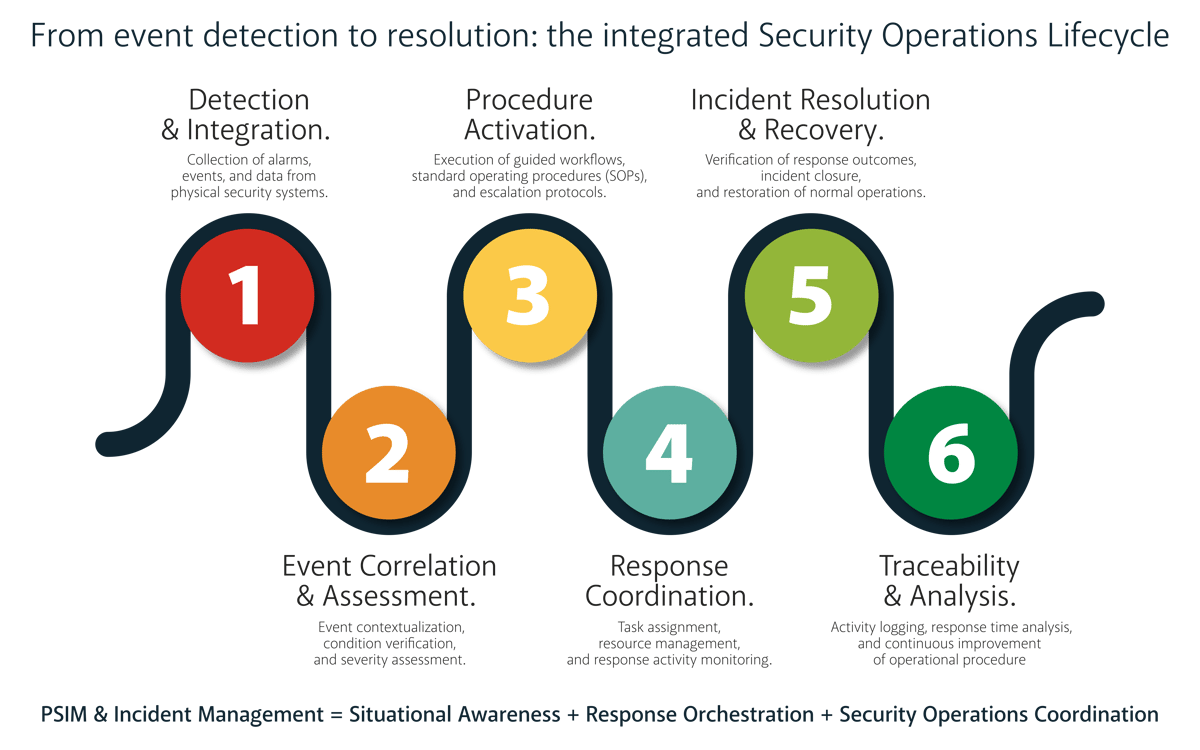
Detection is necessary, but not sufficient. Once a potentially critical event has been identified, the organisation must be able to verify it, assess its severity, understand its impact, identify the applicable procedures and involve the people responsible for the response.
Management must then continue throughout the incident: assigning tasks, escalating issues, coordinating operators, gathering information from the field, verifying the actions taken, restoring operations and closing the incident. The value of technology therefore also lies in its ability to support a coherent decision-making and operational process, as well as in the number of events it can detect.
Coordinating the Control Room and field teams
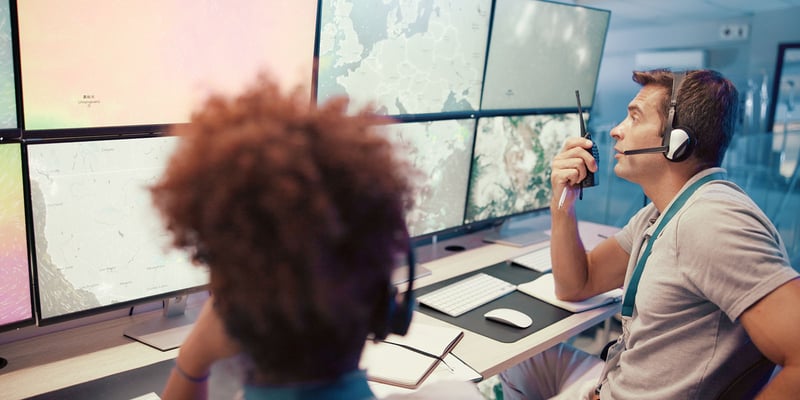
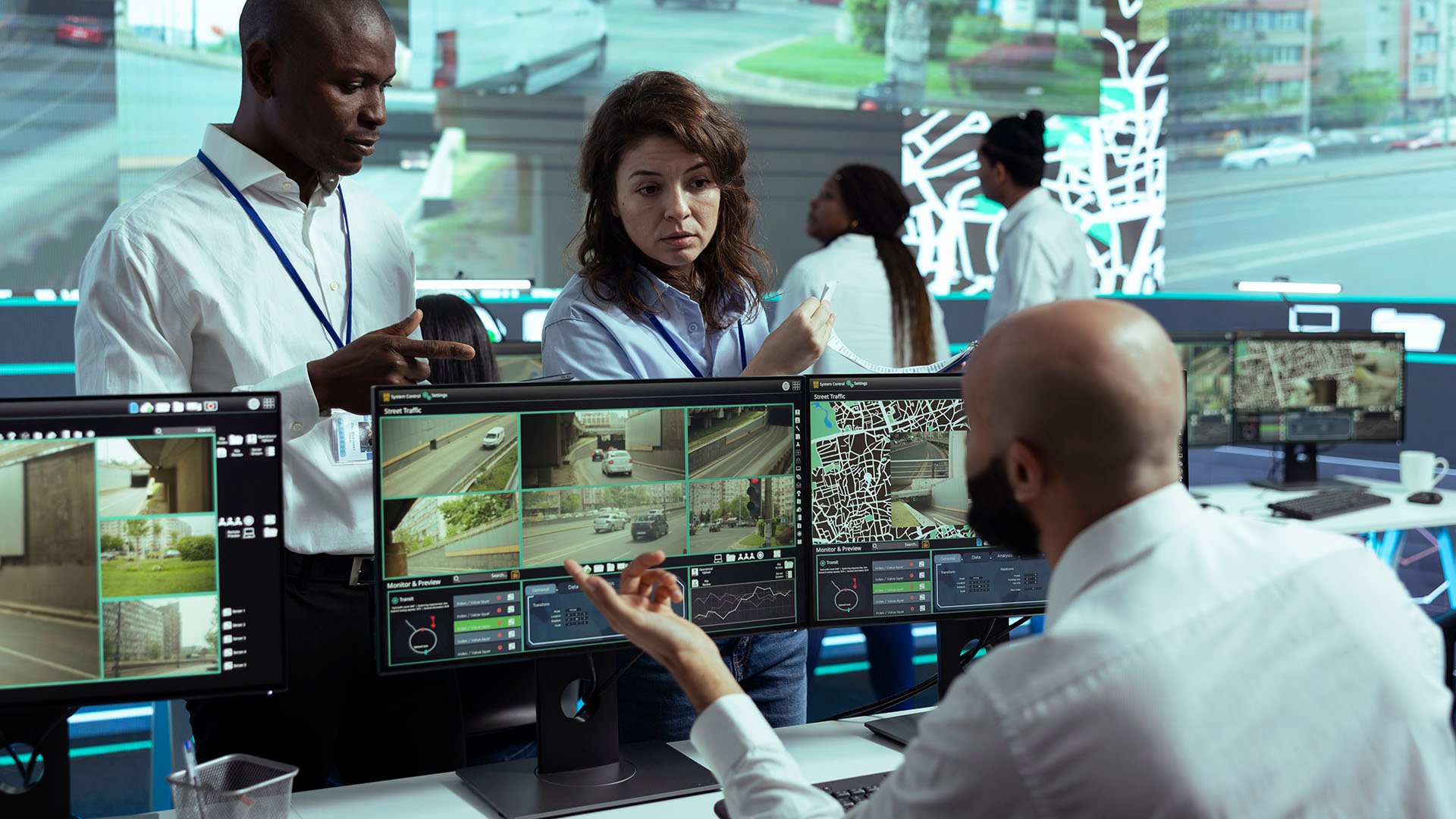
The control room is where information from different systems is collected, verified and turned into operational decisions.
The response, however, often involves people working outside the control room who need to take action in the field: security operators, maintenance staff, technicians and other specialist teams. This relationship must work in both directions. The control room must be able to assign tasks and procedures, provide the information needed for the response and monitor progress. Field operators must be able to update task status and return information and evidence that enable the situation to be continually reassessed. Continuity between central supervision and field operations reduces information gaps and improves control and traceability throughout incident management.
The CER and NIS2 Directives: resilience is a security requirement
The European regulatory framework has progressively broadened the concept of critical infrastructure protection, placing greater emphasis not only on preventing events, but also on organisations’ ability to absorb their impact and continue delivering services.
CER and NIS2 differ in scope and mechanisms, but point in the same direction: the resilience of essential services requires a coordinated approach to physical, technological and cyber risks. This has an important consequence for the organisations concerned. Regulatory compliance cannot be reduced to drafting policies or adopting individual technological measures. It must be demonstrated through the actual ability to prevent, detect and manage incidents, maintain the continuity of critical activities, and document decisions and the actions taken.
-
Critical Entities Resilience (CER) Directive (si apre in una nuova scheda)
Directive (EU) 2022/2557 (CER) introduces a framework designed to strengthen the resilience of critical entities. Resilience is considered across a cycle that includes prevention, protection, response, the ability to withstand and mitigate the consequences of incidents, adaptation and recovery. This principle is significant because it shifts the focus from protecting individual assets to the critical entity’s overall ability to continue performing its essential functions.
The measures set out in CER include, among other things, physical protection, control and monitoring of sites and infrastructure, detection systems, access control, incident management, and measures to support continuity and recovery.
-
NIS2 Directive (si apre in una nuova scheda)
Directive (EU) 2022/2555 – NIS2 addresses the cybersecurity of essential and important entities in parallel, strengthening requirements for risk and incident management.
Here too, the scope extends beyond strictly technological measures: business continuity, crisis management, supply chain security, access control, and protection of the physical environment of information systems all contribute to an organisation’s ability to keep risk under control.
From fragmented alarms to situational awareness
One of the most significant challenges in managing complex infrastructure is the gap between having information available and understanding the situation. A control room may receive thousands of events without necessarily having a clear picture of what is happening. When cameras, sensors, access control, intrusion detection, fire protection and technological systems operate in separate environments, the operator has to manually piece together the relationships between different signals. This fragmentation increases the cognitive load and can slow down incident assessment.
Situational awareness, by contrast, comes from the ability to connect events, location, assets, images and device status to build a coherent picture of the situation. In this model, centralisation is only the first level.
The decisive step is correlation: identifying relationships between different events, reducing information noise, assigning priorities, and giving operators the information they need to assess what is actually happening.
Turn security events into a coordinated response by integrating PSIM and Incident Management.
PSIM and Incident Management: the need for integrated security
In critical infrastructure protection, having a complete picture of the event and managing the response in a structured way are separate but closely interconnected capabilities. PSIM and Incident Management solutions address these needs respectively.
-
Physical Security Information Management (PSIM) centralises and correlates events from physical security systems and other integrated systems. Alarms, video, sensors, access control and other signals are brought into a shared context to improve situational awareness and support event assessment.
-
Incident Management addresses the next step: determining and managing what needs to be done. Once the event has been assessed, procedures, roles, workflows, escalation, task assignment and resource coordination come into play. Management continues through to event resolution, the restoration of operating conditions, and the collection of the information needed for subsequent analysis.
Integration is essential.
-
Without event correlation, the control room has fragmented information and struggles to build a timely operational picture.
-
Without structured incident management, even a sound understanding of the situation may fail to translate into a coordinated, consistent and traceable response
Integration between PSIM and Event Management bridges this gap by connecting situational awareness with operational response management: from event detection and assessment to decision-making, from the activation of procedures to the coordination of interventions, through to recovery and post-event analysis.
How Beta 80 supports Critical Infrastructure protection
Beta 80 offers an End-to-End Security Management model designed to connect technologies, information, processes and people throughout the security management cycle. The starting point is the infrastructure as it actually exists, which is rarely uniform. Complex organisations have systems developed at different times, technologies from different vendors, distributed sites and established operating procedures.
The aim is not to replace this technology estate indiscriminately, but to create a layer of integration and governance that allows its different components to contribute to a single operational process.
This means having access to:
-

Centralised visibility and real-time event correlation
To monitor events and system status in real time and put information from different technologies into context.
-

Guided procedures and tailored response workflows
To guide operators and teams through configurable operating procedures and step-by-step workflows, ensuring structured and consistent incident management.
-

Multi-site management and field operations coordination
To assign activities, share information and verify work in the field, and apply consistent processes to geographically distributed infrastructure.
-

End-to-end event traceability and security analytics
To reconstruct decisions and actions, and support audits and continuous improvement.
Tell us about your organisation’s security needs
Hospitals, airports, ports, railway stations, energy infrastructure, water networks, data centres, industrial plants, logistics hubs, manufacturing companies, universities and large corporate sites each present specific challenges in protecting people, assets and infrastructure.
From access control to perimeter security, and from multi-site monitoring to incident management, ensuring visibility, control and operational continuity requires an integrated approach to security.
Talk to Beta 80’s experts to assess the challenges you face, evaluate how to integrate existing systems, and identify the most effective solutions to improve risk prevention and response capabilities.

How to measure the effectiveness of Critical Infrastructure Protection
Resilience is measured not by the number of alarms a system generates, but by an organisation’s ability to recognise a critical situation and manage it effectively. Key qualitative and operational indicators include:
-
Incident detection and assessment time
How quickly an event is detected, verified, placed in context and classified.
-
Response time
The time between recognising an incident and activating the necessary procedures and resources.
-
Event correlation capability
How effectively events from different sources are brought together into a clear operational picture.
-
Adherence to procedures
How closely the actual response follows defined workflows, escalation paths and responsibilities.
-
Recovery time
How quickly the infrastructure and service can be restored to safe operating conditions.
-
Incident traceability
How completely events, decisions, communications and actions can be reconstructed to support audits, compliance and post-event reviews.
Beta 80 solutions for Critical Infrastructure Security
Control 1st: out next-generation PSIM software
Control 1st is Beta 80’s PSIM platform for integrated physical security management, designed to centralise the monitoring of security and safety systems and support coordinated event management.
The platform combines PSIM and Event & Workflow Management technologies, linking information from different systems to procedures, responsibilities and operational activities.
Its modular architecture allows the platform to be implemented to meet the organisation’s needs and integrated with its existing technology ecosystem, including across multiple sites.
WIN: the water safety platform for integrated water service operators
Protecting water infrastructure requires an integrated view of the entire system, from abstraction to distribution, bringing together risks, assets, monitoring data and control measures.
WIN (Water Integrated Network) is Beta 80’s platform for the digital management of the Water Safety Plan (WSP), bringing together data from facilities, SCADA systems, asset management, laboratories and sampling points in a single environment. The solution connects monitoring, risk assessment and corrective actions, making the WSP an operational tool for water safety management that can be updated and provides full traceability.

News
News, insights and new technologies for security professionals
-

ArticleAirport security: how to reduce delays in Alarm Qualification and Management
How to strengthen airport security systems by leveraging PSIM software capabilities and intelligent video analytics solutions.
-

ArticleMobile Access Control with Apple Wallet and Google Wallet: key benefits
Discover the benefits of access control with Apple Wallet and Google Wallet: secure digital credentials, centralized management, and a seamless user experience.
-

ArticleIncident response: what it takes to optimize field interventions
Defining an incident response plan is essential for managing emergencies quickly. Discover tools and strategies for effective response.
-

ArticleIoT solutions in healthcare: how to protect the cold chain without disruptions
How IoT solutions can help the healthcare sector effectively monitor temperature-sensitive products in real time
When is an integrated approach to physical and cyber protection needed?
Integration becomes particularly relevant when digital systems, physical infrastructure and operational processes are interdependent, and an incident in one domain can affect the others. Examples include infrastructure where connected systems control access, facilities or physical assets, or where a compromised device or technical area can affect the availability of information and operational systems. CER and NIS2 reflect this shift by adopting a risk-based approach within their respective remits and taking into account the relationship between physical security, cybersecurity, incident management and business continuity.
How can business continuity be maintained during an incident affecting essential infrastructure?
Business continuity depends on the ability to recognise an incident promptly, assess its impact, activate established procedures and coordinate the resources needed to contain its effects. An effective approach must therefore connect event detection and assessment with incident management, escalation, communications, field operations, recovery procedures and verification that operations have been restored.
Responsibilities, priorities and procedures must also be defined in advance, so that the response does not depend entirely on decisions made on the spot during the incident. Management must continue after recovery through a post-event review, using what happened to assess the effectiveness of procedures and strengthen resilience over time.
What should be considered when choosing a platform for critical infrastructure security?
La valutazione dovrebbe partire dall’architettura e dai processi esistenti, considerando in particolare capacità di integrazione, interoperabilità, scalabilità, resilienza e gestione multi-sito. In ambienti complessi è inoltre importante verificare che la piattaforma non si limiti a centralizzare gli allarmi, ma consenta di correlarli, contestualizzarli e collegarli a procedure di risposta.
Funzioni di Event & Workflow Management, gestione delle escalation, tracciabilità delle attività e coordinamento con gli operatori sul campo permettono di estendere la gestione dalla supervisione alla risoluzione dell’incidente.
What role does PSIM technology play in protecting critical infrastructure?
A PSIM – Physical Security Information Management solution integrates information from different systems, such as video surveillance, access control, intrusion detection, sensors and other equipment, bringing it together into a common operational view.
Its value goes beyond centralisation: by correlating events, a PSIM system puts different signals into context and helps the control room assess and prioritise relevant situations. Integrated with incident management, it connects this understanding to the procedures needed to manage the response.
How is the effectiveness of critical infrastructure protection measured?
The assessment should cover the entire incident management lifecycle. Key indicators include detection and assessment times, response and escalation times, adherence to procedures, coordination capability and service recovery time.
Traceability is another key factor: the ability to reconstruct events, decisions, communications and actions supports audits and checks, while also helping identify weaknesses and improve procedures and response capabilities over time.