ENG ESP ITA

Physical Operations

Greater efficiency, control, and operational continuity across warehouses, buildings, and facilities.

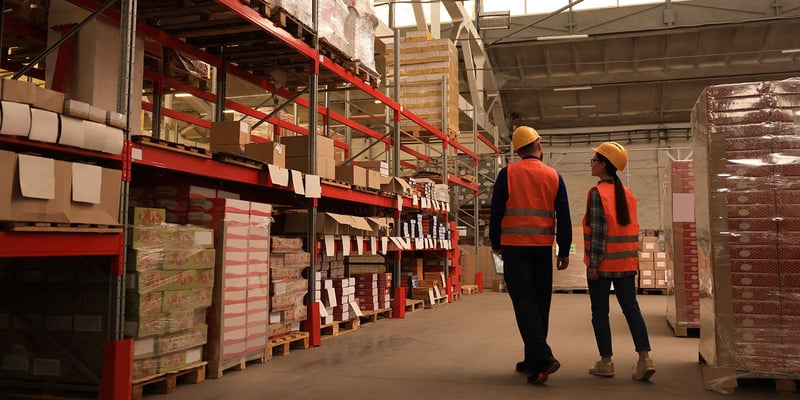
Ph Op_Hero

Physical Operations: tecnologie per gestire e ottimizzare le operazioni fisiche

Warehouses, buildings, plants and infrastructures are operational environments where people, technologies and physical assets need to work in a coordinated way. Their efficiency increasingly depends on the ability to integrate different systems, collect reliable information and turn it into operational decisions and actions.

Physical Operations encompass the management of activities, resources and infrastructures operating in the physical world. In the context of Beta 80, this approach takes shape in two areas: Warehouse Management, dedicated to the digitalization and automation of logistics processes, and Building Management, focused on the supervision and control of buildings, plants and technological assets.

In both cases, the challenge is to overcome fragmentation between systems, processes and information, improving visibility, efficiency and operational continuity.

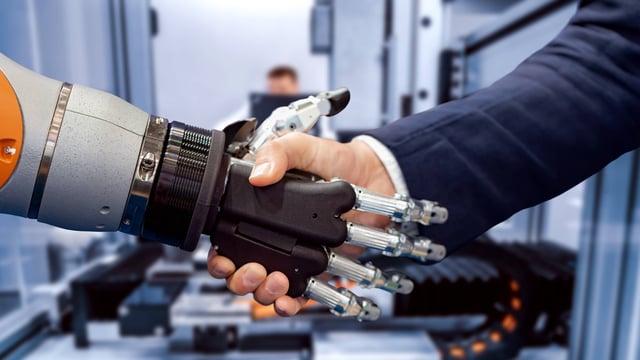
The integration of Information Technology (IT) and Operational Technology (OT) is an increasingly relevant factor for organizations managing physical assets. Gartner, in its research Top Technical Practices to Achieve IT/OT Alignment and Integration (March 2026), highlights how IT/OT alignment must address challenges related to interoperability, security and data contextualization.

Beta 80 supports organizations in the evolution of Physical Operations through expertise in software development, system integration, automation and supervision, while also enhancing the technologies already present in operational environments.

More efficient, integrated and controlled physical operations

Digitalizing Physical Operations makes it possible to improve the day-to-day management of warehouses, buildings and plants: from goods handling and energy consumption monitoring to anomaly detection and the coordination of technical interventions.

The benefits include fewer errors and manual activities, greater availability of operational information and the ability to respond more quickly to critical issues.

Ph Op_maggiore visibilita

Greater visibility into processes, assets and infrastructures

Knowing the status of operations in real time makes it possible to identify errors and anomalies more quickly. In warehouses, this means monitoring inventory, movements and orders; in buildings, it means controlling plants, alarms and energy consumption. Information thus becomes more accessible and usable for operational decision-making.

Ph Op_efficienza

Greater efficiency in day-to-day operational activities

Digitalization and automation help reduce manual activities and optimize resource utilization. In warehouses, they make it possible to speed up picking and goods movements, while in buildings they simplify plant supervision and the coordination of maintenance activities.

Ph Op_riduzione errori

Reduction of errors, inefficiencies and operational disruptions

A picking error can cause delays and rework; a fault that is not detected promptly can compromise plant availability. Integrated management and monitoring systems make it possible to track activities, identify anomalies and support faster interventions, reducing the risk of inefficiencies and disruptions.

Ph Op_Operazioni scalabili

More scalable and coordinated operations across sites and systems

Managing multiple warehouses or buildings requires tools capable of coordinating different systems and technologies. Digital solutions that can be integrated with existing infrastructures make it possible to progressively extend Operations control to new sites, processes and plants, without necessarily replacing technologies already installed.

Ph Op_Decisioni operative

Operational decisions supported by reliable, up-to-date data

Up-to-date data on stock, movements, consumption and plant operation helps identify inefficiencies and assess the interventions required. The analysis of operational information also makes it possible to monitor results over time and guide decisions on maintenance, automation and resource utilization.

Achieve greater efficiency and control across your buildings.

Monitor your facilities, optimize energy consumption, and improve reliability.

What makes physical Operations management complex

Warehouses, buildings and plants become more complex to manage as the number of technologies, systems and activities to coordinate grows. Software and infrastructures introduced at different times often do not communicate with one another, while manual procedures and fragmented information slow down day-to-day work.

These issues affect productivity, management costs and the ability to ensure operational continuity.

Ph Op_Processi asset

Processes, assets and infrastructures managed through separate systems

In warehouses, ERP, WMS and automation systems need to exchange information to coordinate operations. In buildings, security systems, HVAC, lighting and other technological systems may be managed through independent platforms.

When effective integration is lacking, operators must consult multiple tools, manually verify information and reconstruct the status of activities, requiring more time and resources.

Ph Op_scarsa visibilita

Limited real-time visibility into what is happening in operational environments

Incomplete or outdated information makes it difficult to promptly identify problems and anomalies.
In a warehouse, a misalignment between physical stock and digital inventory can compromise order preparation. In buildings, managing alarms across separate systems can slow down fault identification and the assessment of its consequences.

Ph Op_attivita manuale

Manual and fragmented activities that reduce productivity and control

Paper records, Excel spreadsheets, repetitive checks and unstructured communications increase the time required to carry out operational activities and the risk of errors. In warehouses, these inefficiencies can slow down picking and goods movements. In buildings, they can complicate the management of technical and maintenance interventions, especially when multiple plants or managers are involved.

Ph Op_difficolta nel coordinare

Difficulty coordinating distributed warehouses, buildings and plants

Organizations managing multiple sites have to deal with different technologies, procedures and infrastructures.
Without adequate tools, obtaining an overall view of activities, comparing performance and coordinating interventions becomes complex. At the same time, control over the individual warehouse, building or plant must be maintained.

Ph Op_garantire continuita

The need to ensure continuity, security and reliability of Operations

A plant failure, an interruption to control systems or a cyber incident can compromise infrastructure availability and slow down business activities.

The increasing connection between IT systems and OT technologies introduces additional protection requirements. Ensuring operational continuity therefore requires considering both plant reliability and the security of the digital systems on which they depend.

Looking to make your warehouse more efficient and productive?

Optimize logistics workflows and reduce operational errors.

How Beta 80 digitalizes and optimizes Physical Operations

Beta 80 supports organizations in the digitalization and evolution of physical operational environments, combining expertise in processes, software development, system integration, automation and supervision.
The approach starts from the characteristics of the existing infrastructure and the objectives to be achieved: improving productivity, increasing visibility into operations, coordinating heterogeneous systems or ensuring greater asset reliability.
Through its Warehouse Management and Building Management solutions, Beta 80 operates in two distinct areas united by the need to transform data and technologies into practical tools for operational control and efficiency.
These capabilities are complemented by OT Cybersecurity services aimed at protecting connected technological infrastructures.

Ph Op_warehouse management

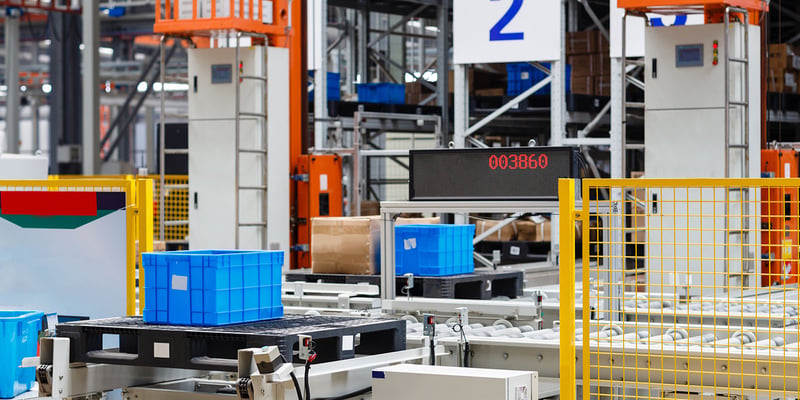
Warehouse Management: managing and automating warehouse flows

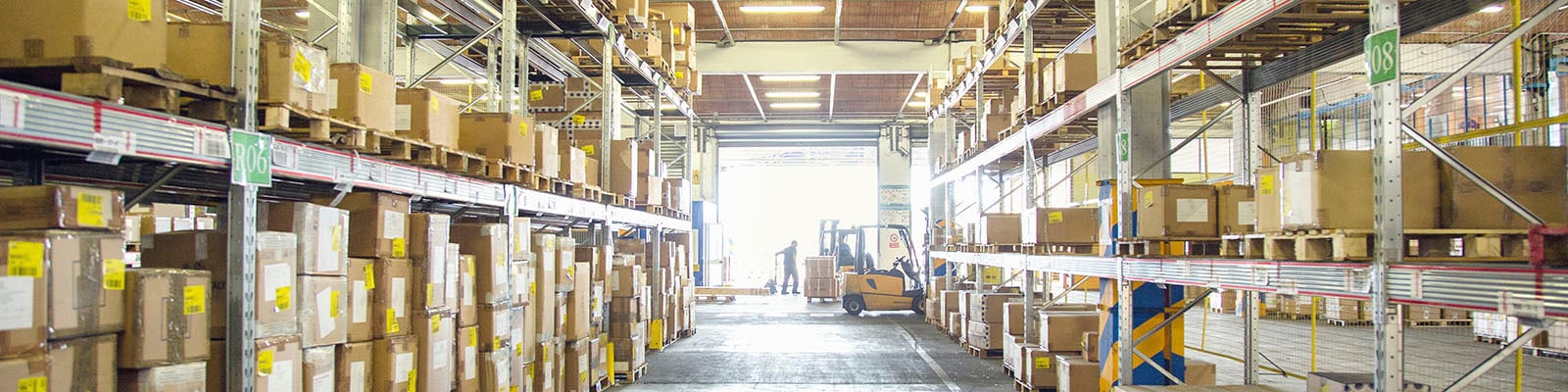
Beta 80 has been operating in Warehouse Management for more than 30 years and supports over 200 active customers, with projects for manual, automated and hybrid warehouses and Distribution Centers.

Through proprietary software solutions, integration expertise and automation technologies, it supports the digitalization of logistics processes, from goods receiving to shipping.
The objective is to improve accuracy, traceability and productivity, keeping physical flows and information aligned and coordinating the technologies used in the warehouse.

The offering also includes a Smart Logistics approach for brownfield environments, based on the progressive introduction of modular and scalable micro-automations selected according to operational requirements.

Warehouse Management

A more efficient warehouse, without starting from scratch.

From inventory management to logistics workflow automation, Beta 80 helps you improve warehouse accuracy, productivity, and control. Discover how to integrate software, systems, and automation technologies while making the most of your existing infrastructure.

Ph Op_Building management

Building Management: integrated control of buildings, plants and assets

Beta 80 supports integrated building management through solutions for the supervision and control of technological systems.
With the Building Management System of its proprietary Control 1st platform, information from devices, sensors and automation systems can be integrated, centralizing asset monitoring and operational event management.

The solution supports plant supervision, anomaly analysis, maintenance processes and energy consumption monitoring, including in organizations with multiple sites.
The objective is to make buildings and infrastructures more observable and manageable, helping to improve their efficiency, reliability and operational continuity.

Building Management System

Greater control over your buildings, fewer operational inefficiencies.

Managing building systems, energy consumption, and alarms through separate platforms makes building supervision more complex. With Beta 80’s Building Management solutions, you can integrate existing technologies, centralize monitoring, and improve energy efficiency and operational continuity.

Ph Op_Cybersecurity

OT Cybersecurity: protecting plants, industrial systems and connected infrastructures

The integration of information systems and operational technologies expands control and automation capabilities, but also requires specific attention to security.

Industrial networks, control systems, devices and connected infrastructures can represent critical points for the continuity of physical operations.

Alongside its digitalization and integration expertise, Beta 80 provides OT Cybersecurity services aimed at protecting operational environments and reducing the risks arising from compromises or unauthorized access.

Protecting OT technologies helps preserve infrastructure reliability and the availability of services that depend on their operation.

Discover our Case Studies and White Papers

  • Case Study

    Montello: greater control over complex warehouse operations

    Discover how Montello introduced Stockager® to digitalize warehouse processes and improve the management of handling, storage, picking and shipping activities.

  • Case Study

    Liomont: smarter automation for more reliable logistics

    Explore how Liomont transformed its pharmaceutical distribution center by integrating StockMatic WCS to coordinate picking areas, streamline logistics flows and improve operational efficiency.

  • White Paper

    From operational events to coordinated response

    Learn how to optimize Incident Management workflows, automate intervention procedures and strengthen operational reliability across complex facilities and critical infrastructures.

How to measure improvements in Physical Operations

Measuring the effectiveness of Physical Operations means assessing the impact of digitalization on productivity, costs and process reliability. KPIs should be defined according to project objectives and compared with data collected before implementation.

  • Ph Op_Misura A

    Efficiency and productivity of operational processes

    In Warehouse Management, throughput, picking times and processed orders make it possible to measure warehouse productivity. In Building Management, energy consumption and management costs help assess plant efficiency and resource utilization.

  • Ph Op_Misura B

    Reduction of errors, downtime and unplanned interventions

    Picking accuracy and inventory accuracy measure the precision of warehouse operations. For buildings and plants, failure frequency, recovery times and unplanned maintenance interventions make it possible to assess reliability.

  • Ph Op_Misura C

    Visibility and control over assets, plants and flows

    The traceability of movements, availability of up-to-date information and monitoring coverage make it possible to assess the level of control over Operations and the ability to promptly identify anomalies and inefficiencies.

  • Ph Op_Misura D

    Operational continuity and reliability

    Plant and system availability, the number and duration of disruptions and average recovery times are useful indicators for assessing operational continuity and identifying areas requiring improvement.

Our services

Solutions and services for Physical Operations

Beta 80 provides proprietary software solutions and technological expertise to support the management, control and evolution of physical operational environments.

  • Warehouse Management (si apre in una nuova scheda)

    WMS and WCS solutions to digitalize and orchestrate logistics processes, integrate business systems and coordinate warehouse automation.

  • Building Management (si apre in una nuova scheda)

    Solutions for centralized supervision of buildings, plants and technological assets, with monitoring, control and Energy Management capabilities.

  • Cybersecurity OT

    Services for protecting connected technological infrastructures, industrial systems and OT environments, supporting security and operational continuity.

When is it advisable to adopt an integrated approach to Physical Operations?

An integrated approach becomes particularly useful when the management of physical operations involves numerous systems, technologies and assets that need to be coordinated.

The need arises, for example, when information is distributed across different platforms, manual activities increase, operational environments become difficult to monitor or the need to ensure continuity and reliability grows.

Integration makes it possible to improve information exchange and process coordination without necessarily requiring a single platform for all activities.

How can you determine which physical processes to digitalize first?

The choice should start with an analysis of existing processes and the critical issues that have the greatest impact on performance.

It is useful to assess error frequency, execution times, repetitive manual activities, monitoring difficulties and the consequences of potential disruptions.

In Warehouse Management, for example, picking or inventory management may be priorities. In Building Management, plant supervision or alarm management may take priority.

The objective is to identify the initiatives with the greatest expected operational benefit, taking costs, complexity and feasibility into account.

Which KPIs should be used to assess the efficiency of physical operations?

KPIs depend on the type of environment and the project objectives.

For warehouse operations, throughput, picking accuracy, inventory accuracy and order fulfillment times can be used.

For buildings and plants, relevant indicators include energy consumption, asset availability, anomaly response times and maintenance frequency.

Across all areas, it is useful to monitor productivity, errors, downtime and operational continuity.

To assess results correctly, a baseline must be defined before implementation.

How can warehouse systems, building systems and existing technologies be integrated?

Integration first requires an analysis of the existing technology architecture, available interfaces and the data that need to be exchanged.

In warehouses, this may involve connecting WMS, ERP and automation systems. In buildings, it may involve integrating supervision systems, technological plants and field devices.

The approach depends on the characteristics of the individual technologies and operational requirements.

Warehouse systems and Building Management systems do not necessarily need to be connected to one another: the objective is to implement the integrations that are actually useful to business processes.

How can an evolution path for Physical Operations be built without replacing all existing systems?

Evolution can be addressed through a progressive approach, starting with an assessment of existing processes, installed technologies and operational objectives.

The first step is to identify priority issues and determine which systems can be integrated or further leveraged.

In brownfield warehouses, for example, targeted micro-automations can be introduced without necessarily redesigning the entire facility. In building management, integrating heterogeneous technologies can improve supervision while retaining part of the existing infrastructure.

A gradual approach makes it possible to distribute investments over time, verify results and plan subsequent initiatives.

Do you need help?

If you have any doubts, questions, or need more information...

Click here