Greater efficiency, control and operational continuity for warehouses, buildings and facilities.
Safety & Security
Manage the entire emergency lifecycle, protect people and critical assets, and ensure operational continuity.
Reliability and control to build a secure and resilient IT environment.
Turn data into strategic decisions and measurable business outcomes.
Business Digitalization & Automation
Digitize and automate business processes to boost productivity, efficiency and agility.
-
Warehouse Management
More efficient, integrated and controlled warehouses, from workflow management to automation.
-
Building Management
Safer, more connected and efficient buildings and facilities through centralized monitoring and control.
-
Public Safety & Emergency Services
Turn every emergency call into an effective response, coordinating people, information and resources to deliver help where and when it is needed.
-
Critical Infrastructure Security
Safer critical infrastructure through centralized security monitoring, integrated event management and coordinated incident response.
-
Observability
End-to-end visibility into IT systems to anticipate anomalies and reduce resolution times.
-
Service Orchestration
Automated and orchestrated IT processes and services to ensure efficiency and business continuity.
-
IT Service Management
Improve IT service quality and user experience, from request management to problem resolution.
-
IT Governance
Greater control over IT investments, risks and performance for better-informed decisions.
-
Managed Services
Continuously monitored and managed IT systems to ensure service reliability and availability.
-
Cybersecurity
Protect data, systems and infrastructure to reduce risks and strengthen digital resilience.
-
Data Value
Unlock the value of enterprise data with reliable, accessible, AI-ready information.
-
Intelligent Business Process Automation
End-to-end process automation using AI and RPA to reduce manual tasks, processing times and errors.
-
Software Development
Custom software, integrated applications and modernized systems tailored to business needs.
About Us
The history, values, people and expertise that make Beta 80 what it is today.
Life at Beta 80
People, learning and company life: discover what it means to work at Beta 80.
Beta 80 and Young People
Schools, universities and training pathways that help young people enter the world of work.
Careers
Open positions and career opportunities to become part of Beta 80.
-
Vision & Mission
Our identity, what drives us every day and the goals we strive to achieve.
-
Our Values
Exceed IT: curiosity, collaboration and the drive to push beyond our limits every day.
-
Fondazione Beta 80
Preserving company values and ensuring long-term continuity, stability and social impact.
-
Our Business
40 years of experience, specialist expertise and solutions for digital transformation.
-
Leadership
The people leading Beta 80, sharing its vision, responsibilities and goals.
-
Training
Continuous learning, knowledge sharing and skills development to grow together.
-
Workspaces
Flexible, collaborative environments designed to foster well-being, connections and new ways of working.
-
Events
Meetings, initiatives and opportunities to share experiences, knowledge and company life.
-
Alumni - BetAgain
A community to keep connections alive, share expertise and create new opportunities.
-
Beta 80 and Local Schools
Workshops, career guidance and company-based learning to bring students closer to the world of work.
-
The “Carlo Acutis” Technical Technological Institute
An educational project combining technology and humanities, schools and businesses.
-
Participation in ITS and IFTS Foundations
Technical training, career guidance and internships to develop skills companies need.
-
The partnership with Universities
Partnerships with universities offering internships, industry insights and opportunities for growth.
-
Academies
Job-oriented training programs to develop technical and professional skills.
-
Work with Us
Explore open positions and opportunities to build your career at Beta 80.
Building Management
Achieve integrated, efficient, and secure management of buildings and facilities.

News
News, insights and emerging technologies for Building Management professionals
-
 Article
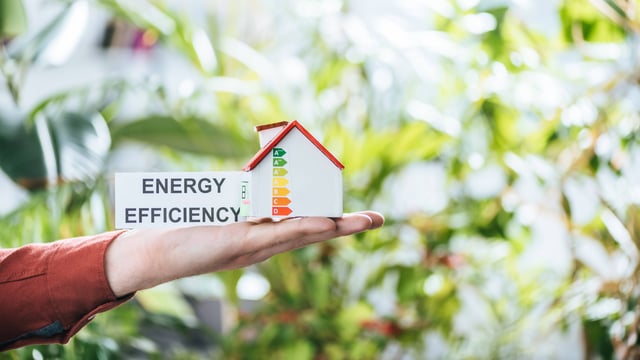
Smart Building: why integrate a BMS to monitor energy consumption
How to save energy by implementing a smart building system managed by a Building Management System (BMS)
-
 Article
Building management system in universities: what it is and how it supports the management of complex campuses
Learn what a Building Management System (BMS) is in the university sector and how it supports the management of complex campuses. Discover how it works, its benefits, and practical applications.
-
 Article
Building Management System: how to optimize efficiency and security
How a Building Management System helps industrial organizations improve efficiency and security.
-
 Article
How to increase energy efficiency in industrial settings: technologies and processes
How to increase energy efficiency in industrial facilities by implementing EMS and BMS systems
Connected, efficient buildings and systems under control
The technical management of a building is often spread across different platforms, technologies from different generations and standalone systems designed for specific functions. This fragmentation makes it harder to obtain a consistent view of the infrastructure's condition and quickly understand the relationships between events affecting different systems.
The aim is to build a reliable picture of the building's condition, closing the gap between what is happening across its systems and what operators need to know to manage them.
Building Management introduces a supervisory layer across these systems:
-

Field data integration
Collects, aggregates and correlates information from building systems, sensors, IoT devices and automation systems, providing a comprehensive, up-to-date view of the infrastructure's condition.
-

Information in context, by site and asset
Organises information from field systems in the context of the relevant sites, buildings and technology assets, providing a structured view of data, operating states and alarms that makes them easier to interpret and manage.
-

Centralised operational supervision
Makes information, alerts and system status available through a unified operational environment, simplifying multi-site monitoring, the coordination of maintenance and response activities, and day-to-day infrastructure management.
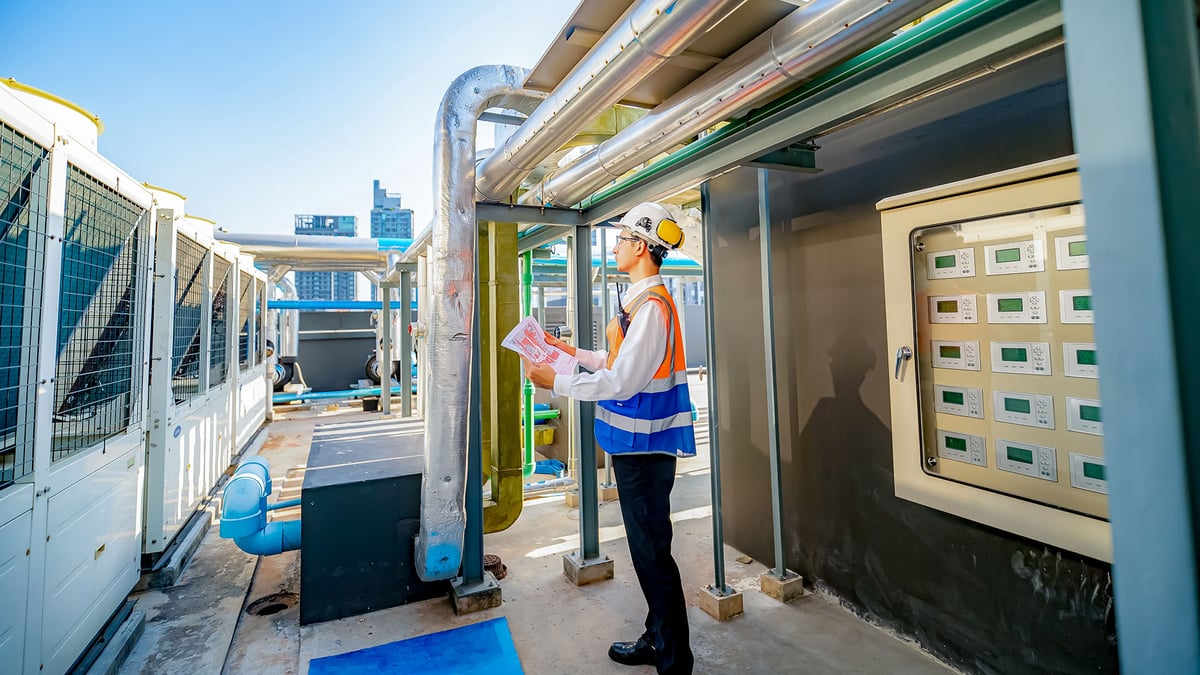
Discover how to make Building Management simpler, more efficient and more secure
Managing a building means maintaining full control over everything that keeps it running properly: from building systems to individual machines, and from equipment to routine and non-routine maintenance.
A Building Management solution centralises asset management, organises and monitors maintenance work, keeps track of equipment condition, and structures information about buildings, systems and components.
Discover how to make your operational processes more efficient and improve infrastructure management with support from our experts.
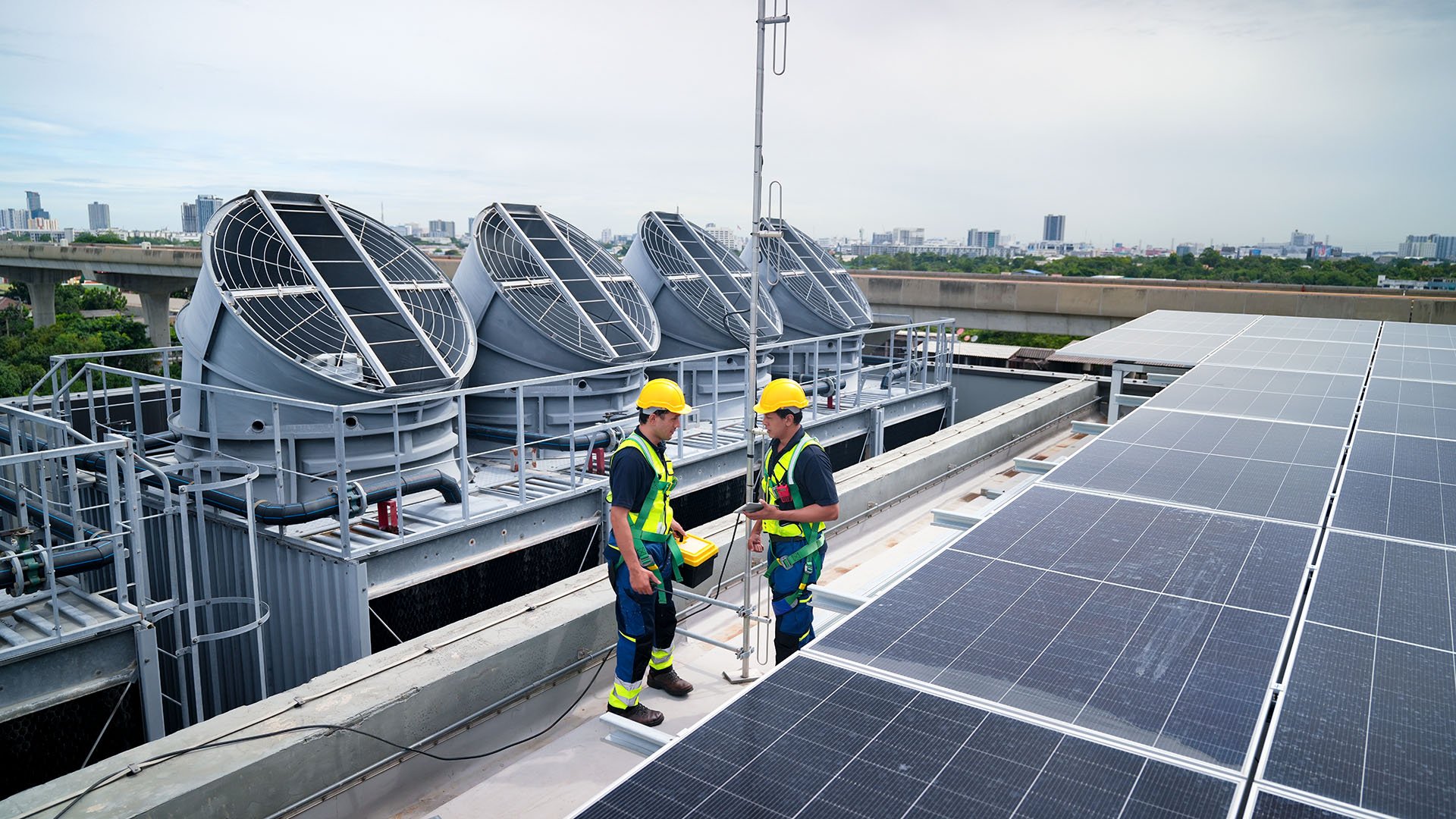
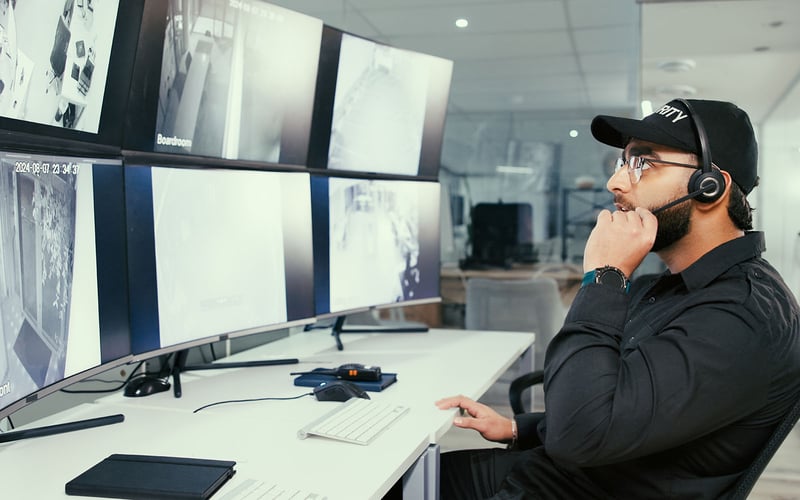
Beta 80's Building Management System
Building Management System is the module of Beta 80's Control 1st platform dedicated to supervising and managing automation systems.
It integrates devices, sensors, actuators and technology systems, enabling real-time asset monitoring and control, including remotely. It supports the visualisation of sites and systems through GIS and dynamic floor plans, technical alarm management, diagnostics, asset management, procedure automation and maintenance processes.
Its integrated Energy Management capabilities also enable the analysis and monitoring of electricity and thermal energy consumption across single-site and multi-site organisations.
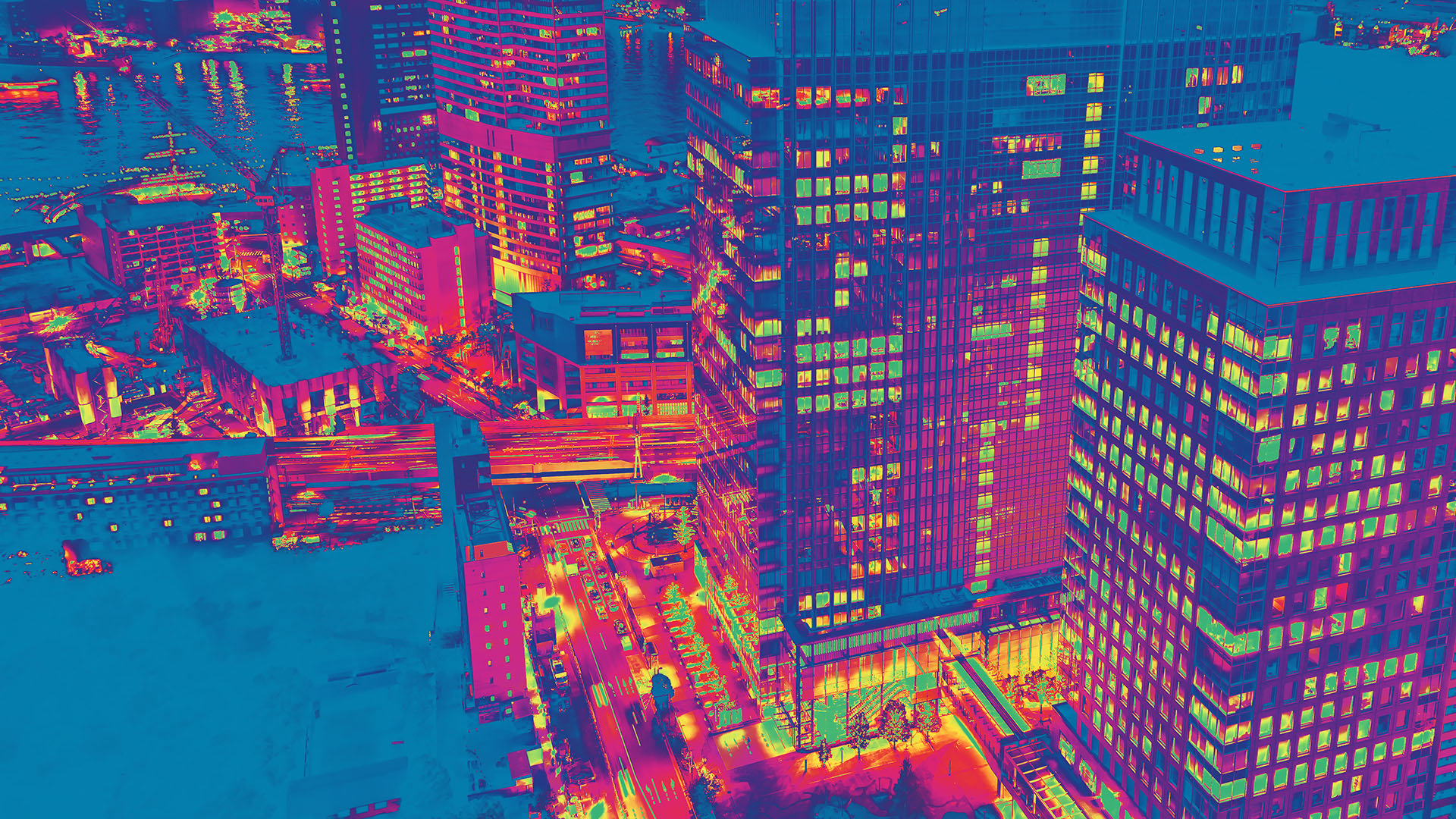
OT cybersecurity: protecting the continuity of connected systems
In Building Management, systems and automation equipment are increasingly connected to one another and to the platforms that enable monitoring and control, including remotely. This connectivity improves building management capabilities, but also introduces new risks: a cyberattack can interfere with systems that directly control equipment and physical functions.
Protecting the OT environment therefore means securing networks, devices, control systems and access, reducing the risk that compromise or unauthorised access could cause malfunctions or downtime.
OT cybersecurity thus becomes part of the building's operational continuity: it protects the digital infrastructure to help keep the systems and services that depend on it reliable and available.

Protect your OT systems against cyber risks
Discover how to secure connected systems, equipment and infrastructure with Beta 80's experts.